
Cart
0
0.00 INR
Artificial intelligence is transforming project management by helping teams plan smarter, deliver faster, and reduce risk. From automated scheduling to predictive analytics, AI tools can analyze historical data, identify patterns, and suggest the most efficient way to allocate resources. Project managers gain clearer visibility into timelines, dependencies, and potential bottlenecks, allowing them to make better decisions with confidence. When used thoughtfully, AI becomes a powerful assistant that supports human judgment rather than replacing it.
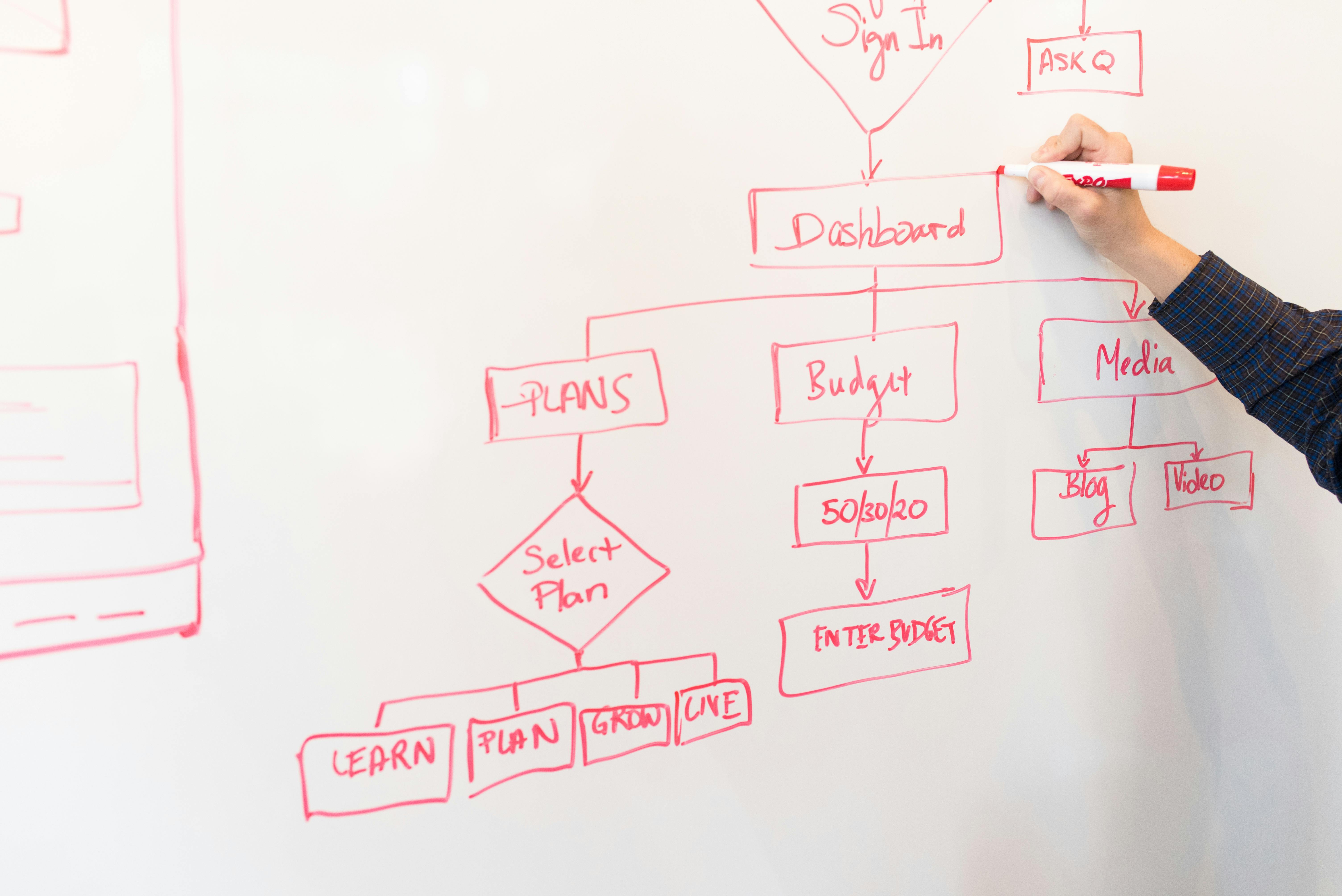
Modern AI solutions can automatically flag risks, forecast budget overruns, and recommend corrective actions before issues escalate. They also streamline communication by summarizing project updates, tracking action items, and surfacing what matters most to each stakeholder. This frees project managers from repetitive administrative work so they can focus on strategy, leadership, and collaboration. Whether you run agile sprints or large-scale programs, integrating AI into your toolset can significantly improve predictability, transparency, and overall project success.

Artificial Intelligence (AI) is no longer a futuristic concept—it is actively reshaping how projects are planned, executed, and delivered. From predictive analytics to intelligent automation, AI is enabling project managers to make smarter decisions, reduce risks, and deliver value faster.
In today's fast-paced and data-driven environment, integrating AI into project management is not just an advantage—it's becoming a necessity.
AI in project management refers to the use of machine learning, data analytics, natural language processing, and automation tools to enhance project planning, execution, monitoring, and decision-making.
Instead of relying solely on human intuition and historical experience, AI systems analyze vast datasets to provide:
AI can analyze past project data to predict:
👉 Example: AI can warn a project manager that similar projects historically exceeded deadlines by 15%.
Repetitive tasks such as:
can be automated using AI tools.
✔ This reduces manual effort
✔ Improves efficiency
✔ Allows managers to focus on strategy
AI identifies risks before they become critical by detecting patterns in:
👉 This enables proactive decision-making instead of reactive firefighting.
AI helps allocate the right resources to the right tasks by analyzing:
Result: Improved productivity and reduced burnout.
AI tools can:
👉 This improves communication and transparency.
Popular AI-powered tools include:
These tools integrate seamlessly into project workflows and enhance productivity.
✔ Improved decision-making through data-driven insights
✔ Enhanced productivity and efficiency
✔ Better risk management
✔ Reduced project failures
✔ Faster delivery timelines
While AI offers immense potential, organizations must address:
The future points toward Autonomous Project Management, where AI systems:
Project Managers will evolve from task managers to strategic leaders and AI orchestrators.
AI is not replacing project managers—it is empowering them.
Organizations that embrace AI will gain a competitive advantage by delivering projects faster, smarter, and with greater precision.
The key is to adopt AI strategically, build the right capabilities, and align it with business goals.
A. Replace project managers
B. Automate all business processes
C. Enhance decision-making using data
D. Eliminate project risks
✅ Answer: C
📘 Explanation: AI supports decision-making by analyzing data and generating insights—it does not fully replace managers or eliminate risks.
A. Manual reporting
B. Predictive analytics
C. Paper-based documentation
D. Fixed scheduling
✅ Answer: B
📘 Explanation: Predictive analytics uses AI/ML to forecast outcomes based on historical data.
A. Increasing workload randomly
B. Ignoring skill sets
C. Optimizing allocation based on data
D. Eliminating human resources
✅ Answer: C
📘 Explanation: AI assigns resources based on skills, availability, and past performance.
A. Hardware installation
B. Financial accounting
C. Understanding and generating human language
D. Network configuration
✅ Answer: C
📘 Explanation: NLP enables AI to process text, summarize meetings, and analyze sentiment.
A. Increased manual effort
B. Reduced accuracy
C. Faster decision-making
D. Delayed execution
✅ Answer: C
📘 Explanation: AI accelerates decisions by providing real-time insights.
A. Writing code
B. Forecasting future project outcomes
C. Designing UI
D. Hiring employees
✅ Answer: B
📘 Explanation: It predicts timelines, costs, and risks using historical data.
A. Tesla
B. Infosys
C. Amazon
D. TCS
✅ Answer: C
📘 Explanation: Amazon uses AI for demand forecasting, logistics, and warehouse automation.
A. Ignoring project risks
B. Identifying risks after project completion
C. Early detection of potential risks
D. Eliminating all uncertainties
✅ Answer: C
📘 Explanation: AI detects patterns and flags risks early.
A. Too much manual work
B. Poor data quality
C. Lack of electricity
D. Excessive documentation
✅ Answer: B
📘 Explanation: AI depends heavily on accurate and high-quality data.
A. Strategic thinking
B. Repetitive manual tasks
C. Team collaboration
D. Innovation
✅ Answer: B
📘 Explanation: Automation frees time from routine tasks.
A. Data entry operators
B. AI orchestrators and strategic leaders
C. Hardware engineers
D. Only schedulers
✅ Answer: B
📘 Explanation: Managers focus more on strategy and AI integration.
A. Office rent
B. Forecast accuracy
C. Stationery usage
D. Travel expenses
✅ Answer: B
📘 Explanation: AI significantly improves forecasting precision.
A. Payroll processing
B. Autonomous driving and production optimization
C. Office management
D. Customer billing
✅ Answer: B
📘 Explanation: Tesla integrates AI in manufacturing and product development.
A. Watson
B. Nia
C. Azure AI
D. TensorFlow
✅ Answer: B
📘 Explanation: Infosys Nia is their AI platform for analytics and automation.
A. Increased paperwork
B. Reduced productivity
C. Cost reduction and efficiency gains
D. More manual approvals
✅ Answer: C
📘 Explanation: AI drives cost savings and efficiency improvements.
A. Ignore the prediction
B. Wait for actual delay
C. Take preventive action
D. Cancel the project
✅ Answer: C
📘 Explanation: AI insights should be used proactively to mitigate risks.
A. Too much automation
B. Poor data quality
C. Excessive training
D. High computing power
✅ Answer: B
📘 Explanation: Poor data leads to unreliable AI outputs.
A. Risk avoidance
B. Resource optimization
C. Cost escalation
D. Scope creep
✅ Answer: B
📘 Explanation: AI improves allocation based on data insights.
A. Manual tracking
B. Real-time analytics and alerts
C. Delayed reporting
D. Paper-based dashboards
✅ Answer: B
📘 Explanation: AI enables real-time monitoring and alerts.
A. Automation and NLP
B. Hardware engineering
C. Risk elimination
D. Budgeting
✅ Answer: A
📘 Explanation: Chatbots use NLP and automation to enhance communication.